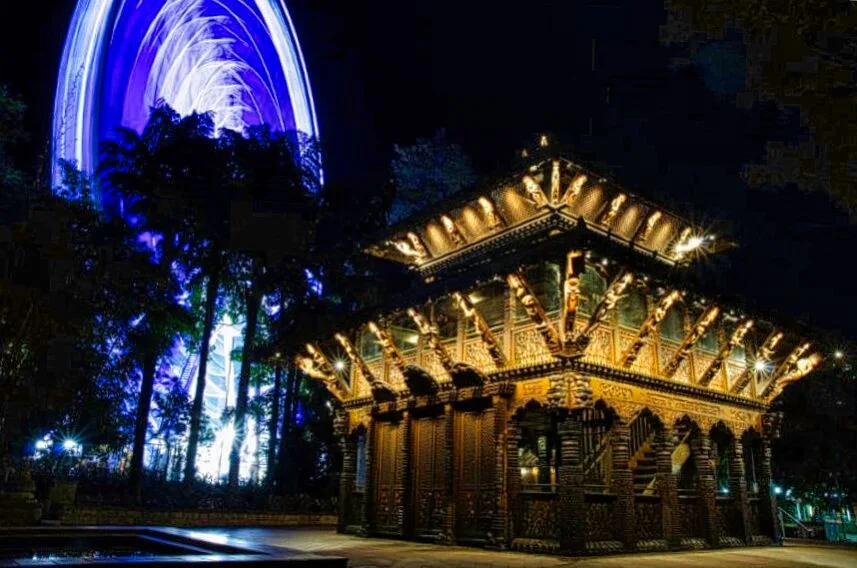


Photography began, for me, as a way of paying attention. I was twenty-one, living alone for the first time, and I had the feeling that things were slipping past me faster than I could hold them. A camera seemed like the answer.
Thirty years later I’m not sure the camera solved the problem — but it gave me a discipline for noticing. These five principles are what that discipline has taught me. I offer them not as instruction but as conversation. They are the things I say to myself when I’ve lost the thread.
On light: Every photograph is, at its core, a record of light. Not the subject, not the moment — light. Before I raise the camera I try to see the light first: where it falls, where it doesn’t, what it’s doing to the edges of things. When I get this right, almost everything else takes care of itself.
On patience: The images I’m proudest of were not seized — they were waited for. I’ve spent two hours in a field for forty seconds of perfect light. I’ve returned to the same doorway six times before the shadow fell where I needed it. Patience is not passive. It’s the most active thing I do.
On responsibility: When someone sits in front of my camera, they are trusting me with something fragile. How I choose to see them — which frame, which light, which moment — becomes part of how they see themselves. I don’t take that lightly.
On the frame: Every photograph is an argument about what matters. The edges of the frame are editorial decisions. I try to make mine honestly, with intention, and with some awareness of what I’m leaving out and why.
On returning: I have photographed the same cliff at sunrise perhaps thirty times. Each time I think I’ve understood it. Each time I’m wrong. The world resists complete understanding, and so does photography. This is what keeps me going back.
If these principles point anywhere, it’s toward humility. The best photographers I know are also the most curious — always slightly uncertain, always willing to be surprised. That uncertainty isn’t a weakness. It’s the whole point.


