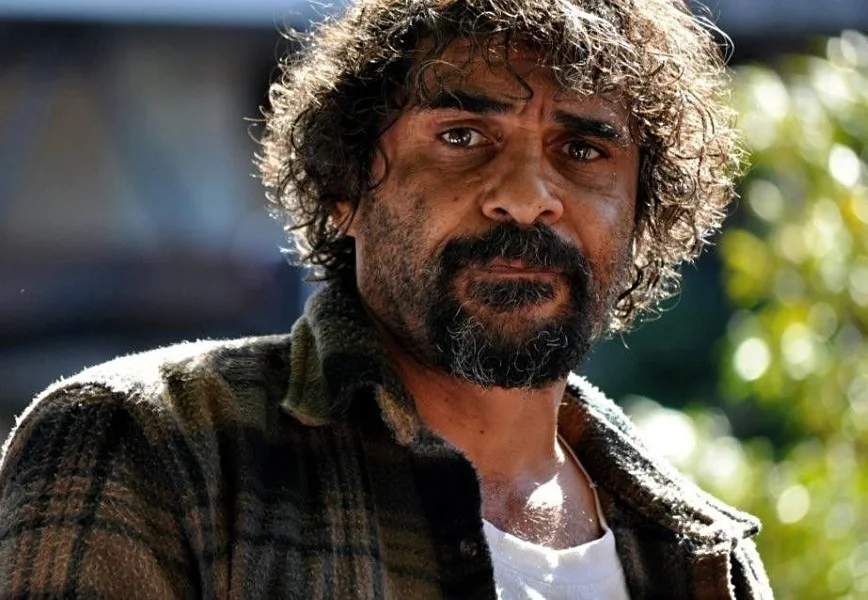


I have been making portraits for about fifteen years, and I still do not entirely understand what makes one work and another not. Some photographs of faces are just photographs. Others feel like contact — like the person in the frame is genuinely present, and looking back at you.
The difference is not usually in the technical execution. It is in the quality of attention in the room at the moment the shutter fired.
On permission and approach: I ask before I photograph people at close range, almost without exception. The asking changes things in ways that are not always predictable. Sometimes a person who was guarded opens up completely when you explain what you are doing. Sometimes a person who was smiling becomes stiff the moment they know a camera is involved. What I am looking for in the moment after I ask is a loosening — a small release — that tells me the subject has decided to trust the process. That is when I start working.
On focal length: Most of my people photography is done with a 50mm or 85mm equivalent. Wide-angle portrait lenses distort the face in ways that rarely serve the subject, and very long lenses compress distance and remove the intimacy that makes a portrait feel real. The 85mm range forces you to be close enough that the subject knows you are there. That closeness is uncomfortable and productive in roughly equal measure.
On black and white: I convert to black and white when the colour in an image is competing with the face — when a bright shirt or garish background is pulling the viewer’s eye away from where the meaning is. Black and white is not a style choice for me. It is an editing decision made on a per-image basis.
On diversity: Brisbane is an increasingly diverse city, and the people I photograph reflect that. A man in traditional ceremonial dress, an elder with a face built by weather and decades, a young woman whose smile has not yet learned to hold anything back — these are not types. They are individuals who agreed to be looked at. I try to earn that agreement in every frame.


